

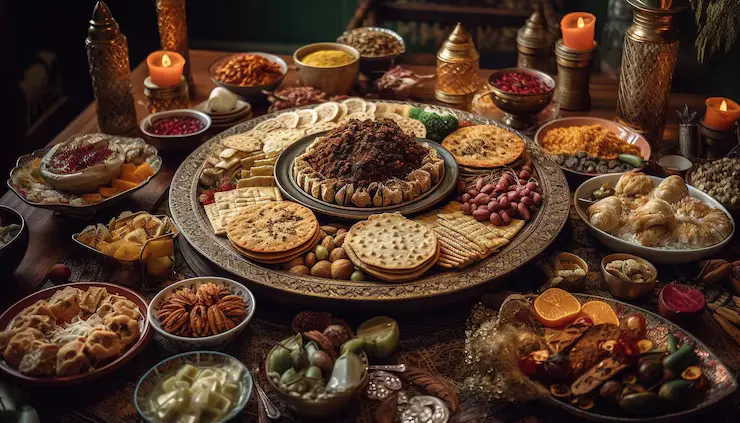
You figure you've got Roman food all figured out? Think again. Folks back then chowed down on braised flamingo tongues, eggs swimming in honey, and even stuffed dormice. Your meal was like a billboard screaming your status: plain porridge for the everyday grind or wild extravagance if you had cash to burn.
They baked proto-cheesecakes, simmered shellfish, and slow-cooked meats in wine. Olive oil? Everywhere. Garum, that funky fermented fish sauce? Non-stop. The wild part is, those staples hung around long after the empire crumbled. This isn't some dusty textbook ramble. It's straight from the historical digs on what Romans really scarfed down at the table.
Common Foods in Ancient Rome: Everyday Dishes Explained
Ancient Rome? Massive powerhouse of a city, hands down one of history's heavy weights. But come on, what's an empire without killer eats? No drive-thrus or corner bistros, but they made do with some seriously tasty staples. Here's the rundown on what hit their plates.
Eggs with Honey

Mix eggs and honey for breakfast? Sounds nuts today, right? Romans were all over it. Takeova Spongia ex Lacte—folks swear it's the OG omelette. They'd blend that sweet-savory magic with kicks of pepper, cinnamon, and maybe nutmeg. Total game-changer for mornings.
Stuffed Dormouse
Ancient Romans engaged in eating these cute rodents, which modern menus do not include. The people used various techniques to increase the weight of the rodents so they could produce the most delicious
The wealthy could afford the gourmet treat that the dormouse dish had become because it featured dormouse meat stuffed with secret herbs and spices and additional meats and honey. People today who recreate the recipe replace the dormouse ingredient with chicken meat.
You may also read :- Top Mood Foods for Mental Wellness Including Everyday Pantry Staples
Boiled Mussels
With the Mediterranean basically their backyard, seafood ruled. Boiled mussels? Dead simple. Plop 'em in a broth of wine, spices, and shrimp or sardine vibes. Light, flavorful—perfect without overdoing it.
Dolphin Meatballs
The Romans developed their meatball recipes because they used every available ingredient that fishermen brought back from their catches. The current recipe requires either pork or chicken because serving dolphin meat would lead to immediate backlash against the person who tried to do so
Roasted Tuna
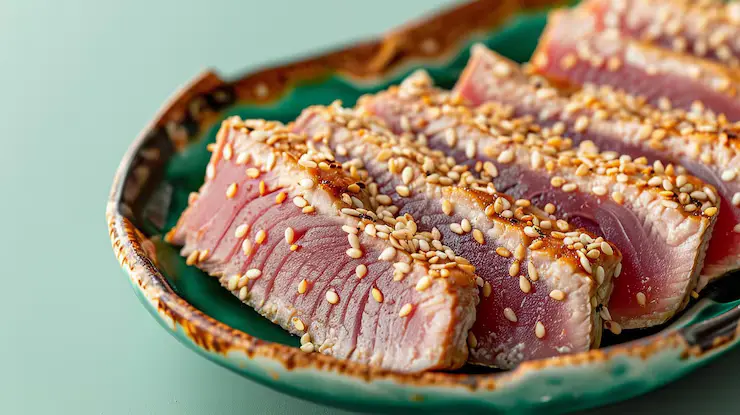
None of that quick pan-sear nonsense. Romans roasted tuna low and slow and hit it with vinaigrette and fresh mint. Pricey catch, pricier spices—poor folks could only dream.
Cheesecake
Forget mega-chains; Romans nailed cheesecake empire-wide. Ricotta and honey base, pure and simple—no fruity or chocolate overloads. They even baked it for rituals, offerings to gods or the departed.
Sauced Mushrooms
Pick your poison: olive oil or honey glaze. Chop the shrooms, have an herb party (two kinds usually), and sauce it up. The recipe's so straightforward, you could whip it up tonight as an app.
Braised Flamingo
The Romans consumed this animal, which present-day dining establishments do not offer because of their similar eating habits to dolphins. Braised flamingo became a culinary delicacy because royal diners exclusively ate the flamingo's tongue. The table display of native African flamingos indicated status because people displayed their wealth through ownership of the bird instead of needing the bird for sustenance.
Garum
Garum is a Roman fish sauce made from crushing the insides of sardines, anchovies, and other small fish. The product contains high salt content, which people use to enhance the taste of plain dishes. The fish sauces used in ancient times served as the primary ingredients that developed into modern ketchup because people used them in almost identical ways.
Cured Meat in Red Wine
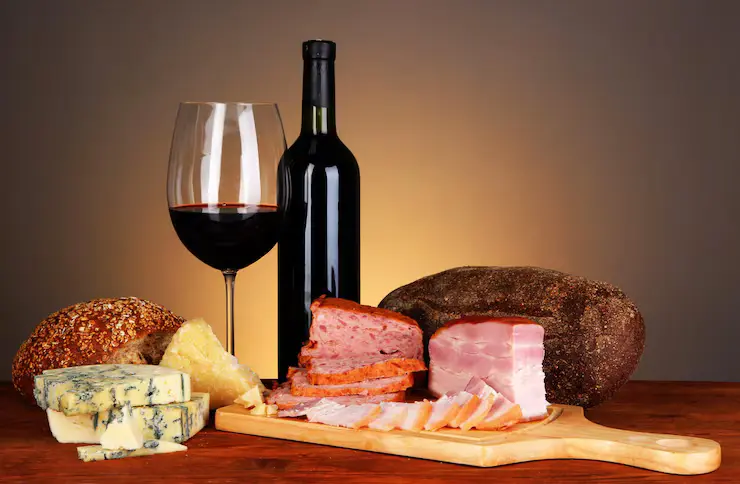
Wine in everything, especially with salty pork or beef. Krea Tareikhera crushed it across classes: cured meat braised in red, loaded with herbs, spices, and veggies. Hearty crowd-pleaser.
Athenian Cabbage
Romans borrowed big from Greece—case in point, Athenian cabbage, like ancient slaw. Thin shreds hit with salt, vinegar, honey, and herb explosions. Crunchy, zingy side.
Garlic Cheese
Not bread, just a straight-up garlic cheese mashup. Grated cheese, minced garlic, and olive oil whirl. Veggies sometimes for bulk and goodness. It tasted like fairground grub to us, but it was a daily driver back then.
FAQ: Ancient Roman Food Curious?
What weird meats did Romans eat?
They went wild—stuffed dormice for the rich, braised flamingo tongues as a status symbol, and even dolphin meatballs from fishing hauls. No waste, all flex.
Was garum like modern sauces?
Spot on. This fermented fish sauce (think sardines and anchovies) was their ketchup—a salty, umami bomb slathered on everything from veggies to meats.
Did Romans have cheesecake?
Yep, early version with ricotta and honey. No cream cheese overloads, but it was empire-famous and used in rituals too.
What was a typical Roman breakfast?
Eggs with honey, like Ova Spongia ex Lacte—a spiced omelet blending sweet and savory. Pepper, cinnamon, and nutmeg kicked it up.
How did Romans cook seafood?
Boiled mussels in wine-spice broth and roasted tuna with mint vinaigrette. Mediterranean access meant fresh catches, pricey for the elite.
Any veggie sides they loved?
Athenian cabbage (Greek-style slaw with vinegar, honey, herbs) or sauced mushrooms in olive oil or honey. Simple, herby, everyday wins.
Did poor Romans eat fancy food?
Not really—luxuries like tuna or flan were rich-only. But Krea Tareikhera (cured meat in red wine with veggies) bridged classes.
Can you recreate Roman dishes today?
Totally. Substitute chicken for dormice and pork for dolphin. Garlic cheese (cheese, garlic, and oil) or mushrooms are super easy starters.