

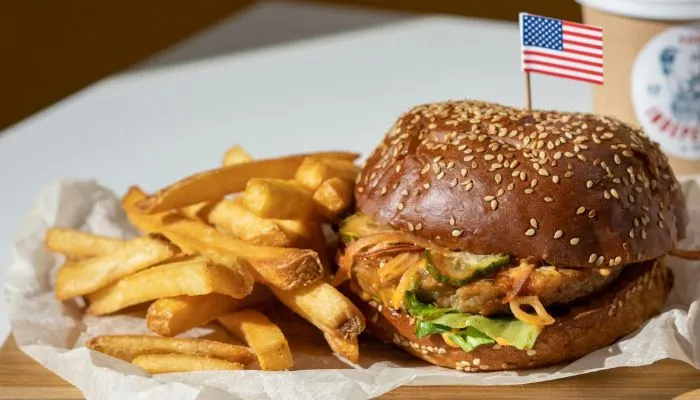
Around the world, different cuisines offer a mix of healthy traditions and unhealthy indulgences. Cultures like Chinese, Vietnamese, Indian, Ethiopian, Nordic, Icelandic, and Thai emphasize fresh ingredients, herbs, spices, whole grains, vegetables, and lean proteins that support overall wellness.
In contrast, some traditional foods, such as certain Scottish dishes and ultra-processed snacks like potato chips and store-bought cakes, contain high levels of sodium, sugar, unhealthy fats, and artificial additives that may negatively affect health when consumed regularly. While occasional treats are acceptable, maintaining a balanced diet focused on nutrient-rich foods remains essential for long-term health and overall well-being.
The Unhealthiest Cuisines Around the World & the Healthiest
People naturally experience cravings for sweet desserts, which include cake, donuts, and ice cream, and for salty snacks, which include chips, pretzels, and salty French fries. And sometimes, it’s perfectly fine to treat yourself and satisfy those cravings. You can consume these foods in reduced amounts; however, you must understand that numerous foods and beverages will harm your health when you consume them as regular dietary items.
You may also read :- Veggie Breakfast Burrito Calories Explained: Is It Healthy?
1. Chinese Cuisines
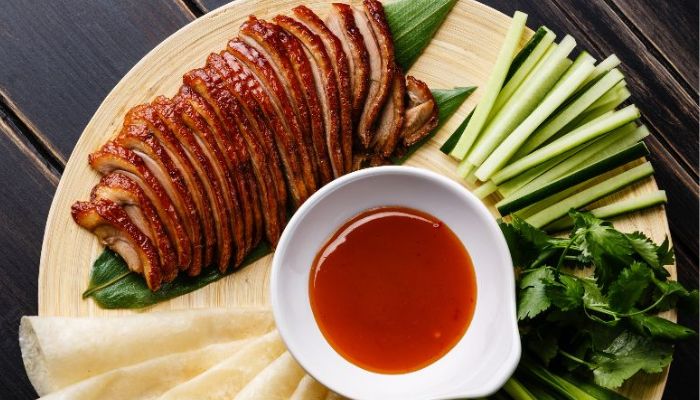
Chinese culinary traditions emphasize communal dining, which leads restaurants to prepare multiple dishes that include steamed fish and spicy tofu and vegetable stir-fry for customers to share. The best part? The region offers a diverse selection of dishes and special foods that people can discover throughout their stay.
2. Vietnamese Cuisines
Vietnamese cuisine uses fresh ingredients and fresh herbs to create dishes that deliver both taste and health benefits according to its tradition, from pho to banh mi and other dishes. Experts have rated this cuisine as one of the healthiest dining options available worldwide.
3. Scottish Cuisines
Porridge might have originated in Scotland, but the rest of the spread here doesn't offer the bare bones and nutritious qualities that you might think it does. Haggis, which the people of Scotland cherish as their national dish, exists as a pudding made up of sheep's lungs, liver, and heart, but several countries, including the United States, impose prohibitions on its import. The local diet features excessive amounts of fat, sodium, sugar, and calories, which often includes deep-fried Mars bars as a typical and indulgent example.
4. Indian Cuisines
Traditional Indian cuisine uses various spices, including turmeric, cumin, cardamom, and ginger, along with lentils, chickpeas, and beans, to create dishes that provide abundant protein, fiber, and antioxidants. The traditional dishes chicken tikka masala and matar paneer provide both health benefits and exceptional nutritional value.
5. Ethiopian Cuisines
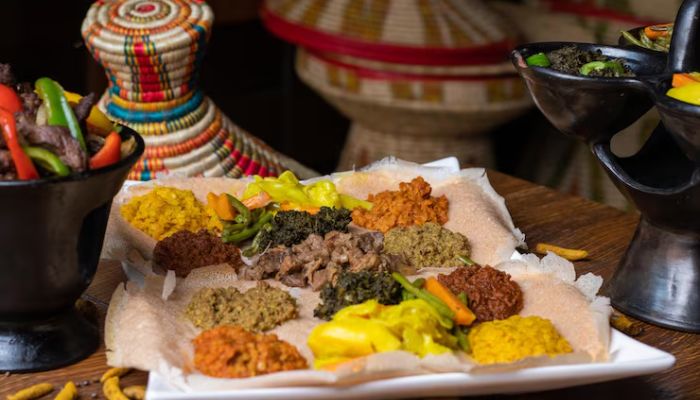
Ethiopian cuisine offers plant-based dishes that match the dining needs of both vegans and vegetarians. The restaurant serves high-fiber grains, including teff injera and other national dishes, along with colorful vegetables to customers who want to experience their communal dining style that promotes sharing and responsible eating.
6. Icelandic Cuisines
Iceland often ranks as one of the healthiest countries in the world because its citizens consume fresh local ingredients and organic free-range products. Iceland's traditional foods include skyr and kjötsúpa, which provide both taste and health benefits.
7. Nordic Cuisines
The traditional Nordic diet of Norway, Denmark, Finland, Iceland, and Sweden emphasizes seasonal foods from local sources to develop its health benefits. The diet consists of whole grains, berries, fatty fish, and vegetables as its main food components.
8. Thai Cuisines
Traditional Thai cuisine contains lean protein sources together with vegetables, spices, and fresh herbs, making it an ideal option for individuals seeking to improve their dietary habits. The combination of turmeric, coriander, ginger, lemongrass, chili peppers, garlic, and onions creates delicious flavors while delivering anti-inflammatory benefits and preventing cancer cell growth.
9. Potato Chips
Savory lovers know the temporary satisfaction of chowing down on their favorite bag of chips, but this ultra-processed food isn’t a snack that will leave you feeling satiated. Most bags of potato chips contain excessive sodium content together with no fiber products, and specific packages include synthetic taste additives and color enhancements.
Take Ruffles Cheddar & Sour Cream Chips, for example. These chips create an addictive quality by using Yellow 5 and Yellow 6 food dyes, which research identifies as carcinogenic to both animals and humans.
10. Store-Bought Cake

It is found simpler by people to purchase pre-made cakes from stores than to bake their own cakes from basic ingredients. The specific ingredients that will be used to create your complete cake or single slice of cake are prevented from being selected by the stores you visit, including Costco and Sam's Club and your nearby grocery store. Excessive amounts of both added sugars and artificial additives are contained by the cakes.
FAQ
1. Which cuisines are considered the healthiest?
Vietnamese, Indian, Nordic, Ethiopian, Thai, and Icelandic cuisines are often considered among the healthiest because they use fresh ingredients, herbs, whole grains, vegetables, and lean proteins.
2. Why is Vietnamese food considered healthy?
Vietnamese cuisine relies heavily on fresh herbs, vegetables, broths, and minimally processed ingredients, making dishes nutritious and balanced.
3. What makes Nordic cuisine healthy?
The Nordic diet focuses on seasonal local foods, including berries, fatty fish, whole grains, and vegetables that support heart and brain health.
4. Are all traditional foods healthy?
No. While many traditional dishes are nutritious, some foods contain excessive fat, sodium, or sugar and should be eaten in moderation.
5. Why are potato chips considered unhealthy?
Potato chips are ultra-processed snacks high in sodium, unhealthy fats, artificial flavors, and additives, while offering very little nutritional value.