
Australia’s got no shortage of islands, but what really gets you is how totally different they are from one another. Take K’gari (Fraser Island)—it’s basically a giant sandbar, but somehow there’s pockets of rainforest and these stunning clear freshwater lakes that catch you off guard. Then you’ve got the Cocos (Keeling) Islands, which feel properly remote, the kind of quiet where you think nothing’s touched it for ages. Some islands are all about wild animals and wide open spaces, a few have these little slices of history lying around, and others just move slower, like time’s forgotten them. It’s not the Australia most people picture straight away, but it’s definitely there.
8 Beautiful Australian Islands You Need to Visit
1. K'gari, Queensland
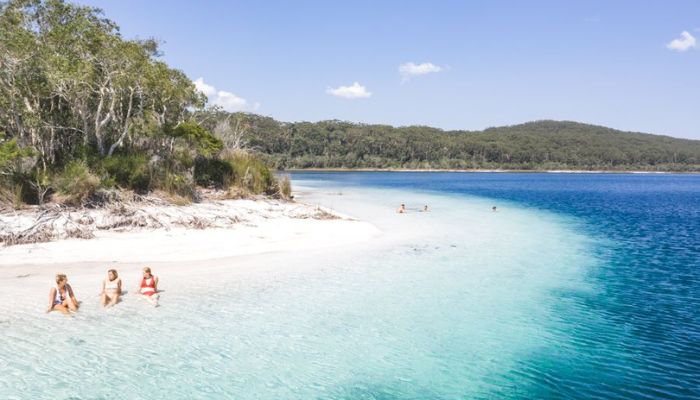
UNESCO heritage listed K’gari, (Fraser Island) measures about 75 miles (120km) long and 15 miles (25km) wide, which makes it the world’s biggest island made entirely from sand. It holds a pretty surprising mix of habitats, like lush rainforest and enormous sand dunes to shimmering lakes and wildflower heaths, plus plenty of birdlife and small groups of dingoes. 75 Mile Beach runs along the east edge of the island, and it is officially a national highway, so it’s common to see cars there. Also, watch out for the eerie wreck of the SS Maheno, roughly halfway along the stretch.
You may also read :- 8 Surprisingly Affordable Destinations for Families
2. King Island, Tasmania
Right in the middle of Bass Strait, off Tasmania’s northwest coast, King Island sits there with wild seas, a bit of silence and empty beaches, plus that pretty well-known produce that’s famously good. The island’s shipwreck trail remembers the early days of maritime explorers, sealers, and people who were shipwrecked and left stranded. Those pioneering farmers who arrived here after the Second World War have honed that world class beef, seafood and cheese you can sample just metres away from where it all started. Day to day life moves at a slower pace here, like everything takes its time. There’s only one set of traffic lights– but they only run on Wednesdays, kind of strange, but true.
3. Norfolk Island
It’s hard to imagine, but this paradise island 877 miles (1,412km) off the east coast of New South Wales once served as a brutal penal colony where authorities shipped just the very worst offenders. Two hundred and fifty years later, the place that people called ‘Hell in the Pacific’ during convict times is now this beguiling blend of rolling farms, dramatic seascapes, and tall pine trees. Somehow, grand convict buildings in Kingston stand as the only real reminder of the island’s dark past.
4. Bigge Island, Western Australia
Bigge Island sits about 3.7 miles (6km) off the Kimberley Coast, in the north west of Western Australia. It is, more or less, the biggest island in the Bonaparte Archipelago, sort of cut off from the mainland during the last Ice Age. These days it’s a real refuge for rare flora and fauna, and you can see monjon around too, a kind of rock wallaby that moves among the striking red rocks on the place. Set in a cobalt blue sea, the island feels like it’s made up of caves—lots of them—some with Wandjina spirit art on the walls, showing ancestral beings who travelled through this region at the very start of time, something Aboriginal peoples known as the Dreamtime.
5. Magnetic Island
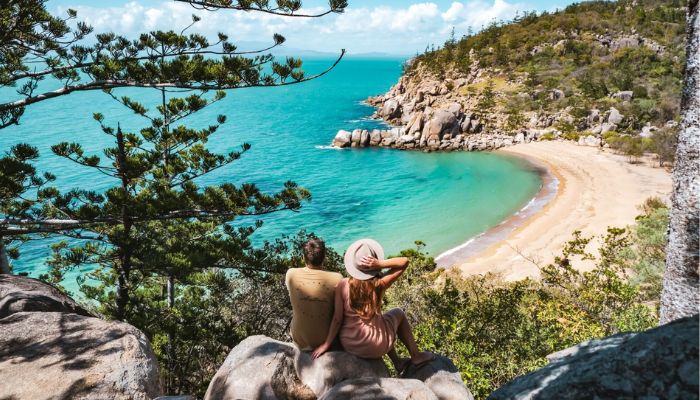
Serene Magnetic Island is, like, a real natural paradise just a 20-minute ferry ride away from Townsville up in northern Queensland. You’ll find it dotted with granite boulders, hoop pines, sandy beaches, and fringing coral reefs, all kind of everywhere. Have a wander across the island's beautiful 23 bays and beaches (that’s Radical Bay, pictured), or maybe go for a slow stroll on one of those bushland trails that criss-cross the place. Also, keep your eyes open for koalas too, they were introduced in the 1930s and now they’re the largest colony in northern Australia, so you might see them sleepily munching on eucalyptus leaves up in the trees.
6. Cockatoo Island, New South Wales
The biggest island in Sydney Harbour is basically a former convict prison and a naval shipyard thing. People usually go to Cockatoo Island on the ferry, then kind of meander through the heritage buildings that convicts put up, take in those wildly breathtaking views looking back towards the city, and then, if you’re in the mood, grab a rustic pizza from the island cafe. There’s also the chance to stay overnight and pitch a tent. Lonely Planet even called it “one of the world's most spectacularly located campsites.”
7. Cocos (Keeling) Islands
Billed as ‘Australia’s last unspoilt paradise’, the Cocos (Keeling) Islands are really just this small drop in the Indian Ocean. They’re made up of two atolls, 27 islands in total, and only two of them are lived in. The Cocos, officially, became an Australian territory back in 1955. And with only 144 visitors allowed at any given time, it feels like the Maldives— but before tourism got, I dunno, too busy. Overall, the Cocos are a tropical oasis of coconut palms, endless white sand beaches, and azure waters, plus a standout Coco-Malay culture you can actually feel.
8. Kangaroo Island, South Australia
People call Kangaroo Island in South Australia something like ‘Australia’s Galapagos’, and honestly it kind of fits, with these strange otherworldly landscapes, really gorgeous, empty beaches, and wildlife everywhere you turn. Kangaroos outnumber human residents by 12 to one, and you can spot them bouncing along the beaches. Still, it’s not just them. You’ll also come across colonies of fur seals and sea lions, around 260 species of birds, and even a koala colony that someone brought over to the island in the 1920s. They’ve stayed relatively unbothered by the diseases that mess with their cousins on the mainland.
Conclusion
They’re not just good-looking places either—the whole feel changes depending on where you go. On K’gari, you can drive right along the beach, which feels a bit strange the first time. King Island is better known for its food, especially the beef and seafood. Over on Norfolk Island, you’ve still got old convict buildings standing around, while Kangaroo Island is packed with wildlife that actually seems natural, not like it’s been staged for visitors. A lot of these spots have a bit of a rugged edge—nothing too polished—and that’s part of why people like them. They’re not overcrowded or overdeveloped, so being there just feels more genuine.
FAQ:
What is the most unique island in Australia?
K’gari (Fraser Island) is usually the one people mention. It’s basically all sand, which sounds simple, but then you get rainforest and clear lakes on top of that. And yeah, people actually drive along the beach there, which still feels a bit odd the first time you hear it.
Which Australian island is best for wildlife spotting?
Probably Kangaroo Island. There’s a lot going on there—kangaroos, sea lions, koalas, birds—just out in the open. It doesn’t feel too controlled either, which makes a difference.
Are there tropical island destinations in Australia?
Yeah, the Cocos (Keeling) Islands are a good example. White sand, warm water, coral reefs… that kind of setting. It’s quiet too, not the kind of place that feels busy.
Which island has historical significance in Australia?
Norfolk Island comes up a lot because of its convict history. You can still see parts of it in the buildings. Cockatoo Island is similar in a way, just closer to Sydney and a bit different in atmosphere.
What is the easiest island to visit from mainland Australia?
Magnetic Island is pretty straightforward. It’s only about a 20-minute ferry from Townsville, so it’s not a big trip or anything complicated.
Which Australian island is best for food lovers?
King Island is known for food, especially beef and seafood. The cheese gets mentioned a lot too. It’s more about local produce than fancy dining, if that makes sense.