

As with many aspects of our lives, from morning routines to social behaviours, our culture and family lives shape specific eating practices. However, there's no stopping us from dabbling in the ways of another community and reaping the benefits of their healthy approaches to food. Registered nutritionist Rohini Baje Kal guides us through the most healthful food habits on Earth, and tells us how to work a little global goodness into our meals.
Top wholegrain toast with smashed avocado, Australia
This now staple breakfast Bill Granger, the late wonderful Australian chef known for his sunshine-laden dishes and anything shareable and seasonal, invented, but registered nutritionist Rohini Baje Kal says it's a winning match. “Avocado is a fantastic source of dietary folate – also crucial for energy – plus a great source of fibre and healthy monounsaturated fats,” she explains. “When you combine it on top of wholegrain toast you actually have a really complete meal.” Granger often finished his topped avo with lime, olive oil, salt, and pepper for a little bit extra kick.
You may also read :- Veggie Breakfast Burrito Calories Explained: Is It Healthy?
Make herbs the hero, Persia
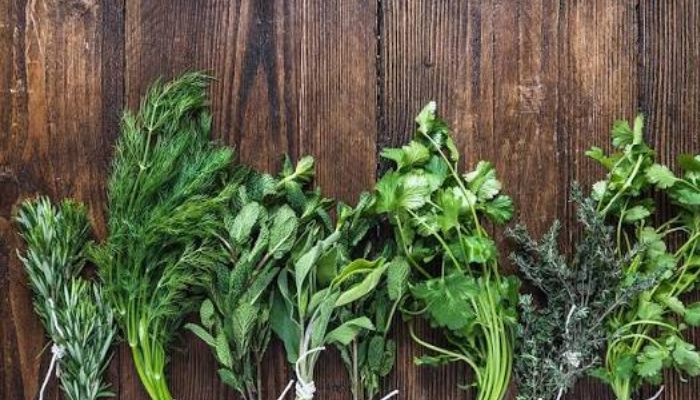
Healthy food which is abundant in phytochemicals works to boost one's defense in diseases such as cancer and the much more prevalent disease; heart problems! Even better for all us 'seasoning-junkies out there,' delicious herbs like fresh basil, oregano, fresh parsley, sage, & fresh thyme also pack this wonderfully nutritive compound.
Therefore, get ready to start making hearty Persian Salads, yummy rice creations, and rich home-style recipes like ghormeh sabzi (a steaming bowl of aromatic beef, chock-full of herbs!) in order to give a better boost to the herbs in our meals.
Snack on nuts, Sardinia
The great thing about decreasing your intake of sugary, ultra-processed food is that, if you focus your attention first on snacking habits, it needn’t be that much of a challenge! One aspect of health in Sardinia – regarded as one of the best “blue zones” for life longevity – is snacking on nuts. The snack on the small Mediterranean island is the almond, known to deliver beneficial protein as well as the fiber we enjoy that fills us up. It additionally contains a potent mixture of other important nutrients, including Vitamin E.
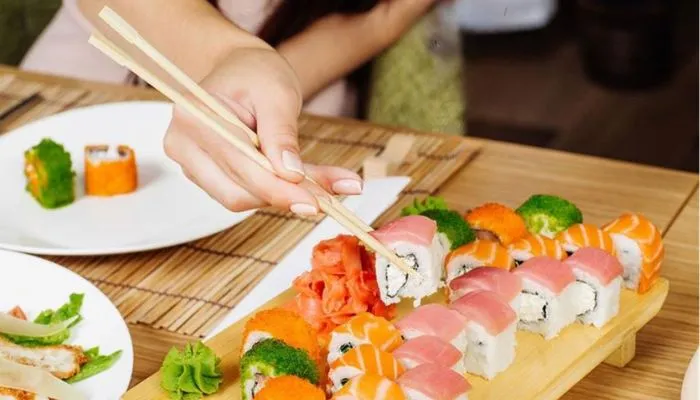
Eat slowly, France
Dining with your partner, friends, and family is another significant part of French gastronomy; it’s an opportunity to connect with friends over food. Taking your time to eat in this way fits perfectly in with meal culture. Between snippets of conversation, taking your time aids with your digestion, makes you less susceptible to bloating, and also lets you recognize when you’re full, not stuffed to bursting.
Eat more squash, Costa Rica
It's no accident that the Nicoya Peninsula in Costa Rica, on the nation's Pacific coast, now boasts one of the highest average life expectancies – 85 years versus the US's average 76 – among people who don’t exactly consider themselves well-off. High consumption of squash – part of the Mesoamerican "three sisters" trio (corn, beans and squash), also enjoyed in the other major blue zones of Greece and Japan – may be partly to blame.
Build up on beans, Mexico
If you need to ramp up your fibre intake you should go to Mexican people to get inspiration: the variety of beans has been a core ingredient of their dishes for years! You have refried beans (which historically cooks from light brown pinto beans), then you have burritos with a very tasty fill of black beans, stews with many varieties of beans etc.
The great thing about bean-based recipes: not only are they inexpensive and very rich in fibre and protein, but they also feature a low glycaemic index, which releases energy in a much less accelerated way without provoking major glucose fluctuation in our body.
Breakfast like a king, Spain
Whether we're thinking a robust Spanish omelet, pretty pan con to mate or fresh-off-the-press bocadillo, it is a feast out there and into your mouth during breakfast in Spain. "In taking more of your calories and driving them earlier into the day when we're most able to be insulin-sensitive and primed to utilize and absorb that nourishment is beneficial," Bajekal shares, adding that research has indicated how such savory, low-carb meals can aid with staving off unwanted fluctuations.
Eat for pleasure, Portugal

Healthy eating doesn't automatically imply sacrificing the delicious carb-rich, high-fat treats that you love. As a matter of fact, in Portugal and numerous other countries throughout Europe, citizens eat food just for fun, guilt-free. It's a practice of assimilating yourself into a location and culture, along with eating food that makes them happy and satisfied. Whether this involves having a casual espresso break, getting a gelato after job, or getting caught up with a buddy more than a pastry.
Bringing Global Goodness to Your Plate
Embracing healthy eating doesn't require a total lifestyle overhaul or giving up the joy of food. As nutritionist Rohini Bajekal highlights, some of the most powerful wellness habits are rooted in everyday cultural traditions from around the world. Whether it's slowing down your meals like the French, filling your plate with antioxidant-rich herbs from Persia, or kickstarting your morning with a hearty Spanish breakfast, small changes can yield significant health benefits.
By taking inspiration from these diverse culinary regions—including the vibrant Blue Zones where longevity flourishes—you can create a balanced, nourishing, and deeply satisfying approach to food. Start by picking one or two habits that resonate with you, and enjoy the journey of eating well, one global flavor at a time.
Frequently Asked Questions
How can I easily incorporate more fresh herbs into my daily meals?
You can start by treating herbs as main ingredients rather than just optional garnishes. Mix generous amounts of fresh parsley, basil, or cilantro into leafy green salads, blend them into homemade pestos and sauces, or stir chopped fresh herbs into rice, quinoa, and grain bowls just before serving.
Why are bean-based meals considered so beneficial for energy levels?
Beans are rich in dietary fiber and complex carbohydrates, giving them a low glycemic index. This means your body digests them slowly, leading to a steady, gradual release of glucose into your bloodstream rather than a sudden spike and crash in energy.
What makes nuts like almonds a healthier snack choice over processed foods?
Almonds and other nuts provide a balanced combination of plant-based protein, healthy monounsaturated fats, and fiber. This combination promotes satiety (the feeling of fullness), keeping you satisfied longer while delivering essential micronutrients like Vitamin E and magnesium.
Do I need to follow a strict diet to reap the benefits of these global food habits?
Not at all. The key takeaway from these global practices is balance and mindfulness rather than restriction. Incorporating whole foods, eating at a relaxed pace, and enjoying your meals guilt-free are simple, flexible habits you can easily adapt to your existing routine.