

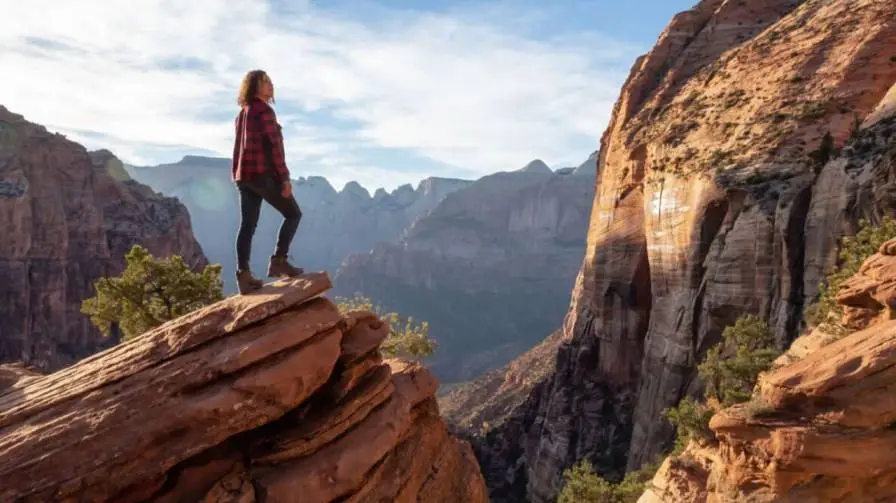
Hiking in a national park does not have to mean climbing a mountain or walking for hours until your legs give out. Some of the best views in the country sit at the end of short, flat paths that almost anyone can handle. If you have never hiked before, or if you are bringing kids, grandparents, or friends who prefer a gentler pace, there are trails made for you.
This guide covers what makes a hike beginner-friendly, specific trails you can try in famous parks, and simple tips to keep your day safe and fun. No prior experience needed.
What Makes a Hike Good for Beginners?
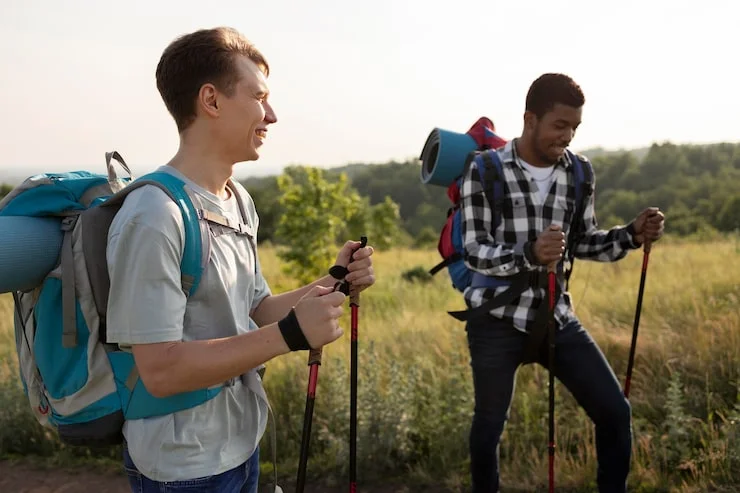
Not every short trail is easy. A path can be only one mile long but still feel hard if it goes straight up a hill. When you look at trail descriptions, focus on four things.
Distance. Beginner hikes usually run between half a mile and three miles round trip. You can always turn around early if you feel tired, but shorter is safer when you are just starting out.
Elevation gain. This is the total amount of uphill walking. A trail with less than 200 feet of gain feels mostly flat. Anything above 500 feet starts to feel like real work, especially at high altitudes where the air is thinner.
Surface. Paved paths and boardwalks are the easiest. Crushed gravel comes next. Dirt with roots and rocks takes more attention and balance. For true beginners, paved or gravel is ideal.
Accessibility features. Many easy trails work for strollers, wheelchairs, and walkers. Benches along the way let you rest. Shade keeps you cool. These details matter more than the easy national park hikes for beginners.
The National Park Service puts it simply: you will not miss out on anything by choosing an easier trail. Wildlife, scenery, and fresh air are available on flat paths too..
Read Also: The Most Beautiful Australian Islands Everyone Should Visit
Beginner-Friendly Hikes in Popular National Parks
Yosemite National Park, California
Yosemite has over 750 miles of trails, but many of the most famous sights sit near flat, easy walks.
Lower Yosemite Fall Trail is a one-mile paved loop that leads to the base of North America's tallest waterfall. The path is wheelchair and stroller friendly. Benches line the route. In spring, snowmelt makes the falls thunder, and mist creates rainbows in the air. You get one of the park's iconic views without breaking a sweat.
Big Trees Trail in Mariposa Grove is a 0.3-mile boardwalk loop through giant sequoias. These trees have stood for centuries. The path passes the Fallen Monarch, a massive trunk lying on the ground with its roots spread wide. The boardwalk makes it easy for small children and visitors with mobility challenges.
Mirror Lake Trail offers a gentle two-mile round trip on a mostly paved path. In late fall, the lake often dries into a meadow ringed by colorful trees. The short version works well for little legs or strollers.
Zion National Park, Utah
Pa'rus Trail is the simplest walk in Zion. It follows the Virgin River through an open part of the canyon. The path is fully paved and has almost no elevation gain. You can turn back at any point. Wide views of red cliffs frame the valley the entire way. It is one of the rare trails in the park that welcomes strollers and wheelchairs.
Bryce Canyon National Park, Utah
Sunset Point to Sunrise Point is a 1.6-kilometer walk along the rim. You see the hoodoos—those tall, thin rock spires—the whole time. The path is flat and takes 30 to 45 minutes. It is one of the best returns on effort in the entire park system.
Grand Canyon National Park, Arizona
Rim Trail to Yavapai Point lets you stand at the edge of the Grand Canyon without hiking down into it. The walk is 1.5 to 2 kilometers round trip. It is paved and flat. You get the vast panorama and the Colorado River glinting far below. For anyone worried about the steepness of canyon trails, this is the answer.
Great Smoky Mountains National Park, Tennessee and North Carolina
The Smokies have more than 800 miles of trails, and many are out-and-back rather than loops. The park service advises hikers to know their limits and turn back if a trail feels harder than expected. For beginners, look for the shorter nature trails near visitor centers. These paths usually have signs explaining plants and animals, and they stay under two miles.
Shenandoah National Park, Virginia
Limberlost Trail is 1.3 miles of crushed greenstone, making it smooth and stable. The loop has only 130 feet of elevation gain. Benches sit along the path. Parents push strollers here. Groups stop for picnics. It does not have dramatic views, but it offers quiet forest and a peaceful walk that almost anyone can finish.
Simple Tips for Your First Hike
Start shorter than you think you need. If a trail is listed as one mile, that is two miles total if you walk back the same way. Give yourself extra time.
Check the weather before you go. Rain makes dirt paths slippery. Heat makes even flat walks exhausting. If conditions look bad, have a backup plan like a scenic drive or a visitor center.
Bring more water than you think you need. You lose water just by breathing, especially at higher altitudes. A good rule is half a liter per hour of walking, more if it is hot.
Wear shoes with grip. You do not need fancy hiking boots for a paved path, but sandals or smooth-soled shoes can slip on gravel or boardwalks. Sneakers with tread work fine.
Tell someone where you are going. Even on a short trail, it helps to let a friend or family member know your plan. Cell service is unreliable in many parks.
Take breaks. Sit on a bench. Look at the view. There is no prize for finishing fast. The point is to enjoy being outside.
Do not feed wildlife. Animals in parks are wild, not pets. Feeding them makes them sick and dangerous. Keep your distance and keep your snacks to yourself.
What to Pack for an Easy Hike?
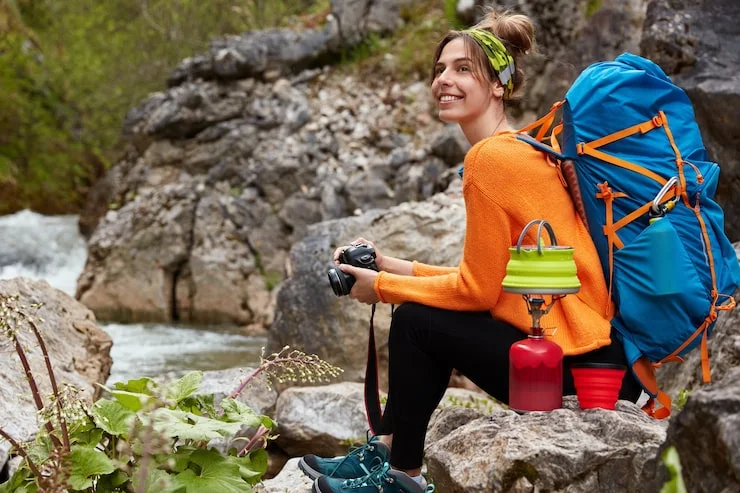
You do not need a heavy backpack for a short trail. But a few items make the day smoother.
A small daypack or shoulder bag holds your things without weighing you down. Inside, carry water, snacks like nuts or fruit, sunscreen, a hat, and a light rain jacket if the forecast looks uncertain. A basic first aid kit with bandages and blister care is smart. Bring a phone, but do not rely on it for maps or emergencies.
If you are hiking with kids, add extra snacks and a change of clothes. If you are hiking with someone who has mobility limitations, check whether the trail is truly accessible before you go. Some parks list trails as easy but still have uneven surfaces or steps.
You May Also Like: 10 Best Places to Visit in the World
Why Easy Hikes Are Worth Your Time?
There is a quiet pressure in outdoor culture to do the biggest, hardest, most impressive thing. But national parks are not only for athletes. They are for everyone.
An easy hike lets you notice details. The way light moves through trees. The sound of a creek. A bird you have never seen before. When you are not gasping for air or watching every step, you actually see where you are.
The National Park Service says it directly: choosing an easier trail does not mean missing out. You still get the views, the wildlife, and the connection to nature.
So pick a short path. Bring a friend. Walk slowly. Turn around when you feel like it. That is a real hike, and it counts.
Frequently Asked Questions
How long should a beginner hike be?
Start with one to three miles round trip. If you feel good afterward, go longer next time. There is no rush.
Do I need special shoes for easy hikes?
No. Sneakers with good tread work for paved, gravel, and most boardwalk trails. Avoid flip-flops and smooth dress shoes.
Are national park hikes safe for kids?
Many are. Look for paved or boardwalk trails with benches. The Limberlost Trail in Shenandoah and the Big Trees Trail in Yosemite are both excellent for easy national park hikes for beginners.
What if I get tired halfway?
Turn around. There is no rule that says you have to finish. Rest on a bench or rock. Drink water. Head back at your own pace.
Can I bring my dog?
It depends on the park and the trail. Some trails allow pets. Others do not. Check the park website before you go. The Limberlost Trail, for example, does not allow pets.