

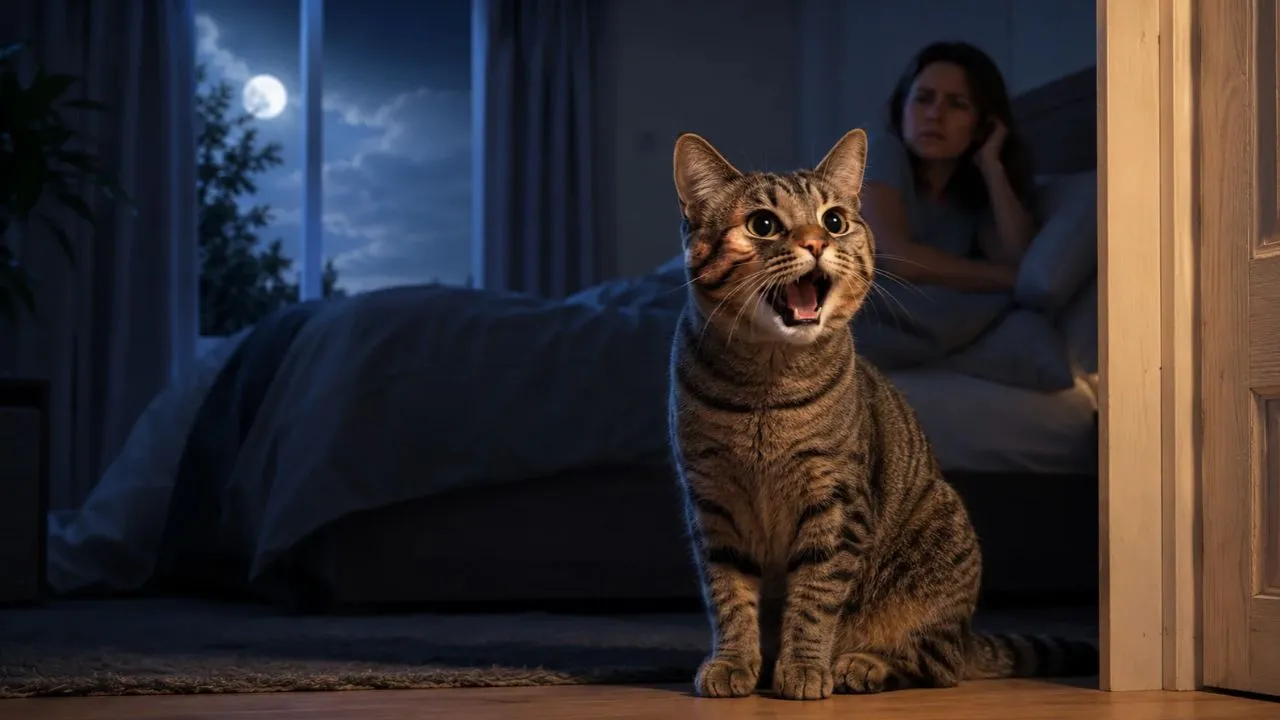
It is three in the morning. The house is dark and still, and you are finally deep in sleep. Then, the crying starts. It is a loud, long meow from the hallway or the foot of your bed. You stumble out of bed to check on your cat, but nothing seems obviously wrong. The food bowl is full, the litter box is clean, and your cat looks perfectly healthy. So why is this happening, and why does it always happen when you are trying to rest?
If you are asking, "Why does my cat meow at night," you are not alone. This is one of the most common complaints among cat owners, and it can be incredibly frustrating when it disrupts your sleep night after night. The good news is that there is almost always a reason behind the noise. Your cat is not trying to annoy you. They are trying to tell you something, and once you understand what that something is, you can take steps to fix it.
The Natural Rhythm of Your Cat
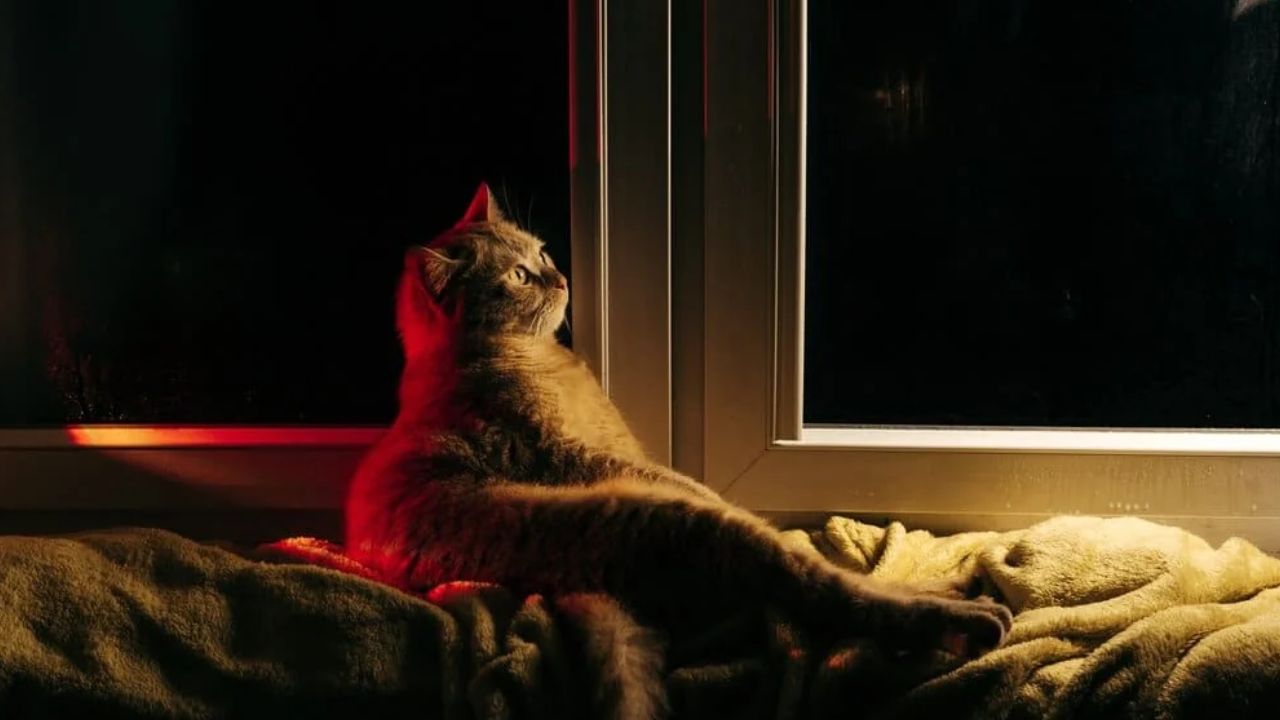
Before you assume something is wrong, it helps to understand how your cat's body clock works. Many people believe cats are nocturnal, meaning they sleep all day and party all night. That is not quite accurate. Cats are actually crepuscular . This means they are naturally most active during the twilight hours, around dawn and dusk.
In the wild, these are the best times to hunt. The light is low, prey is moving, and the cat has an advantage. Your indoor cat still carries this instinct. Even though you provide their meals, their body is telling them that dusk and dawn are times for action. When the house gets quiet and dark, your cat may feel a burst of energy that they simply cannot contain. They meow because they are awake, alert, and ready to do something, while you are trying to sleep.
Read Also: Types of Dog Training Methods: A Complete Guide for Owners
Hunger and the Routine You Created
One of the most common and easiest-to-fix reasons for nighttime meowing is hunger. Think about your cat's feeding schedule. If you feed them dinner at five in the evening and then go to bed at ten, that is five hours without food. By two or three in the morning, your cat's stomach is empty. They wake up, feel hungry, and know exactly who feeds them.
This becomes a learned behavior very quickly. If your cat meows at night and you get up to feed them, even just once, they learn a powerful lesson. Meowing equals food. The next night, they will try it again, and they will likely be louder and more persistent because it worked before . If your cat is waking you up at the same time every night, hunger is a strong suspect. A small meal or a puzzle feeder right before your bedtime can help hold them over until morning .
Boredom and Pent-Up Energy
Cats are intelligent animals with a strong hunting drive. If they spend the entire day sleeping on the couch while you are at work, they have a lot of stored energy by the time night falls. A quick pet on the head when you get home is not enough to satisfy their need for mental and physical stimulation.
When your cat is bored, they look for something to do. You are the most interesting thing in the house. Meowing at night is a way to get your attention, even if that attention is just you telling them to be quiet. To your cat, any reaction is better than no reaction . If you have an indoor cat, they need active playtime that mimics hunting. A session with a wand toy before bed tires out their body and their mind, making them much more likely to sleep through the night .
Attention Seeking and Reinforcement
This brings us to a crucial point about behavior. Cats are experts at training their humans. If your cat meows at night and you get up to pet them, check on them, or even just talk to them, you are rewarding the behavior. You might be tired and annoyed, but to your cat, you just gave them exactly what they wanted: your attention.
This is called reinforcement. Even negative attention, like shouting, is still attention. If your cat is meowing simply because they want to be near you or want you to interact with them, the best thing you can do is ignore them completely when they start. This is hard to do, and it will get worse before it gets better. Your cat will try harder at first, meowing louder and longer, because it worked before. But if you stay consistent and do not respond, they will eventually learn that nighttime meowing does not get results .
Medical Reasons You Must Not Ignore
While hunger and boredom are common, you must also consider your cat's health. A sudden change in vocalization, especially in an older cat, is a red flag that requires a trip to the veterinarian. Cats are masters at hiding pain, but nighttime meowing can be a sign that something is physically wrong .
Several medical conditions can cause excessive vocalization at night. Hyperthyroidism, an overactive thyroid gland, is common in older cats. It makes them restless, hungry, and vocal . High blood pressure and kidney disease can also cause discomfort that leads to crying . Arthritis is another culprit. As your cat lies down to sleep, their joints may ache, and they may meow to tell you they are uncomfortable.
For senior cats, cognitive dysfunction syndrome is a very real concern. This is similar to dementia in humans. It causes confusion, disorientation, and changes in the sleep-wake cycle. A cat with cognitive dysfunction may pace at night and cry out because they feel lost or anxious in their own home . If your cat is older and has started meowing at night, a vet check is the first step you should take.
Stress, Anxiety, and Change
Cats are creatures of habit. They thrive on routine and predictability. If something in their environment has changed, they may feel stressed or anxious, and this often shows up as nighttime vocalization . Have you moved recently? Did you get a new pet or bring a baby home? Did you rearrange the furniture or change your work schedule? Even a small change can upset a sensitive cat.
When your cat feels insecure, they may meow at night to get reassurance from you. They are calling out to check that you are still there and that everything is okay. In this case, punishing them or ignoring them will only make their anxiety worse. Instead, focus on providing a safe, stable environment during the day. Give them extra affection and create cozy hiding spots where they feel secure.
You May Also Like: Long Haired Cat Grooming
How to Help Your Cat Sleep Through the Night?
Now that you understand the reasons, you can build a plan to address the meowing. The most effective approach combines a few simple changes to your daily routine.
First, tire your cat out before bed. Do not just wave a toy around for a minute. Commit to a solid play session of ten to fifteen minutes. Use a toy that lets your cat stalk, chase, and pounce. After they catch the toy, give them a small meal. This mimics the natural hunt-eat-groom-sleep cycle, and it tells your cat's brain that the day is done and it is time to rest .
Second, review their feeding schedule. If your cat is waking up hungry, try splitting their dinner into two smaller meals. Give them one portion earlier in the evening and a second portion right before you go to bed. You can also use an automatic feeder that dispenses a small amount of food in the middle of the night. This satisfies their hunger without you having to get out of bed .
Third, make sure your cat has things to do at night. Leave a few puzzle feeders or interactive toys out for them. If your cat is bored, having something to occupy their mind can keep them quiet. You can also leave a curtain open so they can watch the night activity outside, which is like television for cats .
Finally, be patient and consistent. If you decide to stop responding to attention-seeking meows, you must stick to it. Do not give in after an hour of crying. If you do, you teach your cat that they just need to be persistent enough, and the behavior will come back stronger. It may take a week or two, but if you are consistent, your cat will adjust .
When to Call Your Vet?
You should call your vet if the meowing is new, sudden, or accompanied by other changes. Watch for weight loss, changes in appetite, increased thirst, or accidents outside the litter box. If your cat seems disoriented, is pacing aimlessly, or cries out in a way that sounds like distress or pain, do not wait. These are signs that your cat needs medical attention, not just a change in routine .
Living with a cat who meows at night can be exhausting, but it is rarely a mystery without a solution. By looking at your cat's basic needs, their environment, and their health, you can figure out what they are trying to tell you. With a little patience and some adjustments to your daily routine, you can help your cat feel calm and content, and you can finally get a full night of sleep.