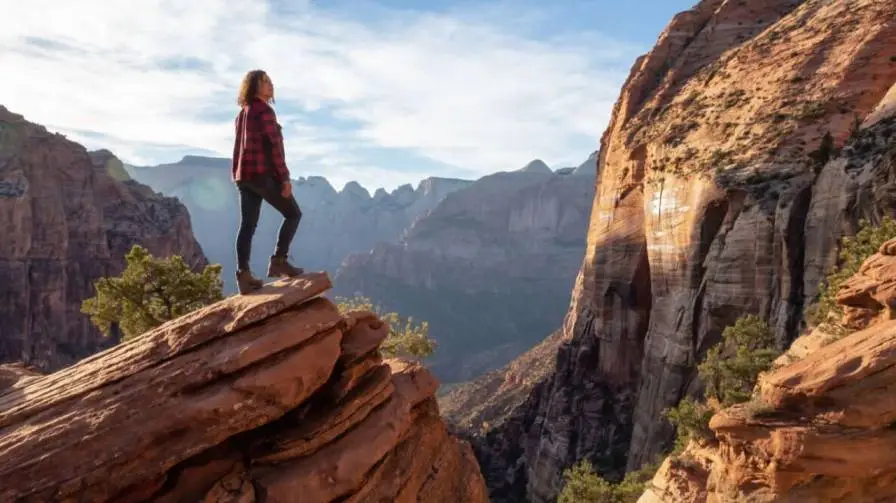

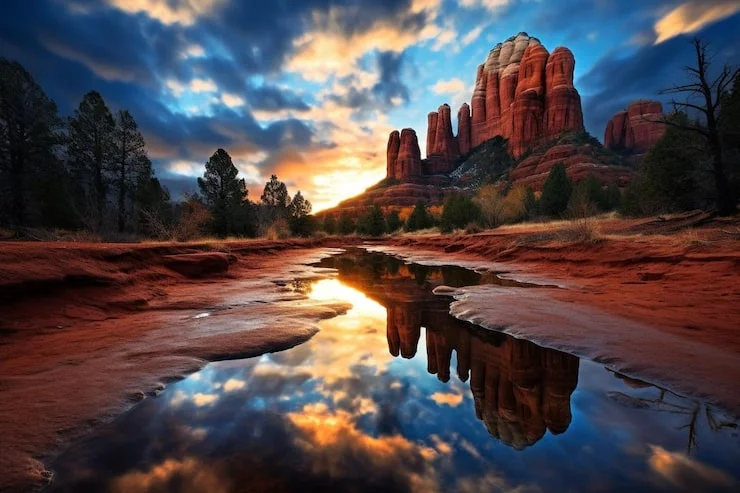
Sedona sits in northern Arizona surrounded by red rock formations that change color as the sun moves across the sky. The town draws millions of visitors each year, and most of them come for the same reason: to see those rocks up close. But Sedona offers more than a pretty view. There are trails to hike, vortex sites to explore, art galleries to wander, and local food to eat. This guide covers the best things to do in Sedona, with practical details so you can plan a trip that fits your pace and things to do in Sedona Arizona.
Hike the Trails That Made Sedona Famous
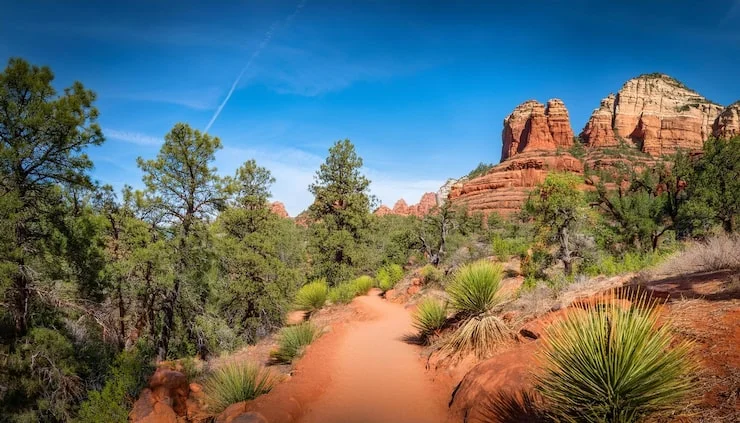
Hiking is the main reason many people visit Sedona. The trail system covers over 200 miles, ranging from flat walks to steep climbs that require using your hands . You do not need to be an expert hiker to enjoy the best views, but you should know what you are getting into before you park.
Cathedral Rock is the hike most people recognize from photos. The trail is short, about 1.2 miles round trip, but it gains roughly 650 to 750 feet in that distance . The path involves rock scrambling and a narrow passage near the top. Fewer than half the people who start this hike actually finish the climb . The reward at the saddle between the spires is one of the most photographed views in Arizona. Go early in the morning to avoid heat and crowds.
Devil's Bridge is the largest natural sandstone arch in the area. The hiking itself is moderate, with a stone staircase and some scrambling near the top . The tricky part is getting to the trailhead. A high-clearance four-wheel-drive vehicle can drive up the rough forest road, but a standard car should not attempt it . Without four-wheel drive, park at the Mescal trailhead and walk in, which makes the round trip about 4.2 miles . Sunrise is the best time to visit if you want to step onto the arch without waiting in a line.
Bell Rock Pathway offers big views without the climb. This wide, mostly flat path runs 3.6 miles round trip alongside Bell Rock and Courthouse Butte . It works well for families and casual walkers. If you want a bit more challenge, you can scramble partway up Bell Rock itself.
West Fork Trail provides something different from the exposed red rock hikes. This trail follows a creek through Oak Creek Canyon, crossing the water several times on stepping stones. The maintained section is about 6 miles round trip, and the tree cover keeps it cooler than most other trails in the area . This is the best hike for fall colors, with cottonwoods and maples turning gold from mid-October into early November.
Read Also: The Most Incredible Castles in Europe You Need to See
Understand the Red Rock Pass Before You Park
Many trailheads in Sedona sit on National Forest land, and parking there requires a Red Rock Pass. The pass costs $5 for a day, $15 for a week, or $20 for a year . You can buy it at kiosks at the recreation sites, at the Sedona Chamber of Commerce, or online through recreation.gov . The pass must be displayed in your windshield or purchased online with your license plate number entered.
The pass is required at 19 specific day-use sites, including Cathedral Rock, Bell Rock, Boynton Canyon, and several heritage sites . You do not need a pass for quick photo stops of about 15 minutes or less . If you plan to hike at popular trailheads, factor the pass cost into your budget. The money goes toward maintaining restrooms, trails, and signs, with 90 cents of every dollar used for conservation and site upkeep .
Ride the Shuttle to Skip the Parking Headache
Parking at popular trailheads fills up fast, especially during spring and fall. The Sedona Shuttle offers a free trailhead route that serves Cathedral Rock, Little Horse, Soldiers Pass, Dry Creek Vista, and Mescal . From these stops, you can access dozens of trails. The shuttle runs Thursday through Sunday during standard operations, with expanded seven-day service during busy periods like spring break .
There is also an on-demand service called Sedona Shuttle Connect that can pick you up and drop you at park-and-ride lots or around town. The fare is $2 per ride, or $1 for seniors . Using the shuttle removes the stress of circling a full lot and lets you start your hike without the parking gamble.
Visit the Vortex Sites With an Open Mind
Sedona's vortex sites draw visitors from around the world. A vortex is believed to be a place where the earth's energy spirals with unusual intensity, creating conditions that some people describe as conducive to healing or clarity . Science has not confirmed this phenomenon, but the locations themselves are among the most beautiful spots in Sedona regardless of what you believe.
Airport Mesa is the most accessible vortex, located right off Highway 89A near the center of town. A short, somewhat steep hike leads to a summit with 360-degree views . It is considered an upflow vortex, associated with inspiration and feeling energized. Look for twisted juniper trees along the way, which some people cite as physical markers of vortex energy.
Cathedral Rock is often described as the most powerful vortex site. The energy here is considered balanced, a blend of masculine and feminine forces, and is associated with emotional healing . The trail to the base passes Oak Creek at Red Rock Crossing, one of the most photographed scenes in Arizona.
Boynton Canyon offers the most immersive vortex experience. The trail runs about 6 miles round trip through pine forests and past dramatic rock formations . The vortex is located about half a mile in, where a short spur trail leads to an overlook marked by a rock spire called Kachina Woman . Many visitors describe this as the most rejuvenating of the four main sites.
Bell Rock is impossible to miss from Highway 179. It is an upflow vortex associated with positive energy and joy . The Bell Rock Pathway circles the base, and more adventurous visitors can scramble up the lower slopes.
Step Inside the Chapel of the Holy Cross
The Chapel of the Holy Cross is one of Arizona's most recognizable landmarks. Built directly into the red rock buttes in 1956, the Catholic chapel was commissioned by Marguerite Brunswig Staude, who worked with architect August K. Strotz to create a structure that blends into the landscape . The chapel appears to rise naturally from the stone.
Visitors reach the chapel via a short uphill walk with panoramic views in every direction. Inside, large windows frame the desert scenery, creating a quiet atmosphere that welcomes people of any faith or no faith at all . Admission is free, though donations are accepted. Parking is limited to about 45 spots, so arrive early in the morning or later in the afternoon to avoid the heaviest crowds . The Sedona Trolley also stops at the chapel if you prefer not to drive .
Browse the Art Galleries and Local Shops
Sedona has a strong arts community, and browsing the galleries is a pleasant way to spend an afternoon when you want a break from hiking. Tlaquepaque Arts & Shopping Village is the most distinctive shopping area, built beneath sycamore trees along Oak Creek. The village has pathways, courtyards, and a collection of galleries, boutiques, and restaurants . It feels like a small European village transplanted into the desert.
Gallery Row in Uptown Sedona offers a more concentrated stretch of shops and galleries. You can walk along the decorative pathways and visit a range of stores selling art, jewelry, home decor, and gifts . Uptown also has cafes and restaurants if you need a coffee or a meal between stops.
If you want something to take home that you will not find elsewhere, look for locally made goods. Sedona has metaphysical shops, outdoor gear stores, and artist markets alongside the fine art galleries . The pleasure is not just in buying something but in talking to artists and shop owners about what they make and why.
You May Also Like: Lovely Travel Destinations Where Tourists Are Told Not to Drive Alone
Eat Well After a Day Outside
Sedona's food scene has grown well beyond basic tourist fare. After a morning on the trails, Sedona Organic Taco Company serves fresh tacos made with organic ingredients in a relaxed setting . It works equally well for a quick lunch or a casual dinner.
For something sweet, Dulce Sedona in Tlaquepaque offers ice cream, churros, and candy in a colorful shop that brings out the kid in almost anyone . Cream and Cake Couture serves homemade ice cream and desserts for visitors who want a treat after a long hike .
If you want a sit-down dinner with a view, Broome & Orchard pairs a globally inspired, share-friendly menu with red rock views from a large patio . For pizza, Gerardo's Pizzeria serves wood-fired pies and Italian dishes with attention to the dough and mozzarella .
Sedona also has a growing wine and beer scene. Vino Di Sedona offers more than 900 wines, including an extensive collection from Arizona wineries, along with wine flights and a food menu . Oak Creek Brewery & Grill in Tlaquepaque serves its own microbrews alongside pizzas, burgers, and steaks .
Take a Scenic Drive When You Need a Break from Walking
Sometimes the best thing to do in Sedona is to stay in the car and let the landscape come to you. Red Rock Scenic Byway, also known as State Route 179, runs through the Village of Oak Creek and offers some of the most accessible views of the rock formations . Oak Creek Canyon Scenic Drive on SR-89A north of Sedona takes you into a cooler, forested canyon that feels like a different world from the red rock country .
Red Rock Loop Road is a shorter drive that passes some of the vortex sites and offers pullouts for photos. If you want a more adventurous drive, Schnebly Hill Road climbs into the mountains, but be aware that the road becomes rough and may not suit all vehicles.
Practical Tips for Your Sedona Visit
Bring layers. Sedona sits at about 4,500 feet elevation, and temperatures can swing significantly between morning and afternoon. A jacket for early hikes and sun protection for midday makes a difference.
Carry more water than you think you need. The dry air and elevation dehydrate you faster than you might expect. This is especially true on exposed trails like Cathedral Rock and Bear Mountain, where shade is scarce.
Start early. Popular trailheads fill up by mid-morning, and afternoon heat in summer can make exposed hikes uncomfortable. Sunrise hikes offer cooler temperatures, softer light, and things to do in Sedona Arizona.
Respect the land. Stay on designated trails, pack out what you bring in, and follow posted regulations. Sedona's landscape is fragile, and the Red Rock Pass program exists to protect it for future visitors .
Leave room for unplanned discoveries. Some of the best moments in Sedona come from slowing down. Watching the light change on the rocks, finding a quiet spot along Oak Creek, or having a conversation with a local can be more memorable than checking every item off a list .
Sedona rewards curiosity. Whether you come for the trails, the vortexes, the art, or simply the chance to stand beneath those red walls, the town offers enough to fill a weekend or a week. Plan the big hikes, buy your pass, and then leave space for the moments you did not plan for.